Step-by-Step


Egg freezing can be a powerful way to protect future options—whether you’re focusing on career or school, haven’t met the right partner, are facing a medical situation, or simply want more control over your timeline. It’s also normal to feel overwhelmed: how many eggs do you need, how fast should you move, and what does “success” really mean? At Hanabusa IVF, we make egg freezing feel clear, individualized, and respectful—so you can make a decision based on facts, not pressure.
Egg freezing isn’t just about quantity—it’s about retrieving eggs safely and protecting their quality through thoughtful stimulation and expert lab handling.

We tailor dosing to your biology and ovarian reserve markers to support egg development thoughtfully, not aggressively.
We aim for competent eggs—not just “more eggs”—especially important for patients with lower reserve or those freezing later.
Eggs are fragile. The freezing/thawing process matters, and our approach emphasizes careful lab standards and optimized freezing technique.
Close monitoring helps reduce risk and ensures timing is right for retrieval.
We help you understand realistic egg number targets, whether you may benefit from more than one cycle, and what timelines make sense.


Learn how egg freezing works, who it may benefit, and what to expect—from testing and stimulation to retrieval and vitrification—so you can preserve options with a plan tailored to your timeline and goals.

You want to preserve fertility options for the future
You’re not ready to try for pregnancy now but want more control over timing
You’re facing medical treatment that may affect fertility
You have family history concerns about earlier ovarian decline
Your ovarian reserve markers suggest it may be wise not to delay
You’re ready to try for pregnancy now and want a fertility evaluation + treatment plan instead
You have severe diminished ovarian reserve and want to discuss whether embryo freezing may be more efficient (depending on your circumstances)
You want to explore donor egg options (if egg freezing is unlikely to meet your goals)

Number of cycles needed (some people choose one cycle; others do two or more for better egg numbers)
Medication dosage and duration (meds are often a major cost variable)
Monitoring frequency (ultrasounds + labs)
Retrieval and anesthesia fees (package-dependent)
Freezing (vitrification) and storage fees
Optional testing (depending on your medical history)
Often included: monitoring + retrieval + freezing procedure (varies by program/package)
Often separate: medications, storage, and some labs/imaging
Donor embryo success depends on multiple factors: embryo quality and stage at freezing, the age of the egg source at time of embryo creation (when known), uterine health, and transfer timing. We’ll review what is known about the embryo(s) and discuss realistic expectations based on your medical history.
Embryo development and quality
Sperm parameters (partner or donor)
Uterine cavity and lining environment
Transfer timing and protocol selection
General health factors that affect pregnancy
Commonly ~10–14 days of stimulation with monitoring, then retrieval
Several morning monitoring visits during stimulation
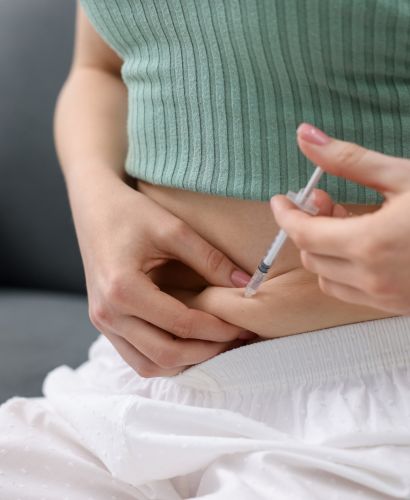
Injections (and sometimes oral meds) based on your plan
Brief outpatient procedure; you’ll need a ride home
Most people rest the same day and return to normal activities within 1–2 days (your team will provide guidance)



.png)

.png)
.png)

You’re a fit for Traditional Fertility Care if any of these statements resonate with you:
You’re just getting started
You want clear first steps
You’ve explored clinics, but still feel at the beginning
You need fertility testing
Your labs look reassuring
Your situation feels straightforward
You have fewer complicating factors
You’re considering IUI
You’re new to IVF
You’re planning an FET
You’re considering PGT
If anything, complex becomes evident, we smoothly upgrade your pathway.
You’re a fit for Complex Care if any of these statements resonate with you:
Low AMH/AFC or DOR concerns
You have Diminished Ovarian Reserve (DOR)
You have POI or high FSH concerns
You’re considering Ovarian Rejuvenation (PRP)
Age 40+ or time feels limited
Prior IVF didn’t respond as hoped
Low egg numbers / embryo growth issues
Unsuccessful embryo transfers
Recurrent pregnancy loss (2+ losses)
Male factor needs ICSI or TESE
You’ve been told your case is complex
If your case is complex from the start, we build the right strategy from day one.