Step-by-Step


That uses your own platelet-rich plasma (PRP)—derived from a simple blood draw—to support ovarian function through an intraovarian infusion. This treatment is being explored for patients with low ovarian reserve, POI, and age-related ovarian decline, with the goal of improving ovarian signaling and follicle activity in select cases. Because PRP is still an evolving area of reproductive medicine, we approach it thoughtfully: careful candidacy screening, clear expectations, and a plan that connects PRP to the next best clinical step.

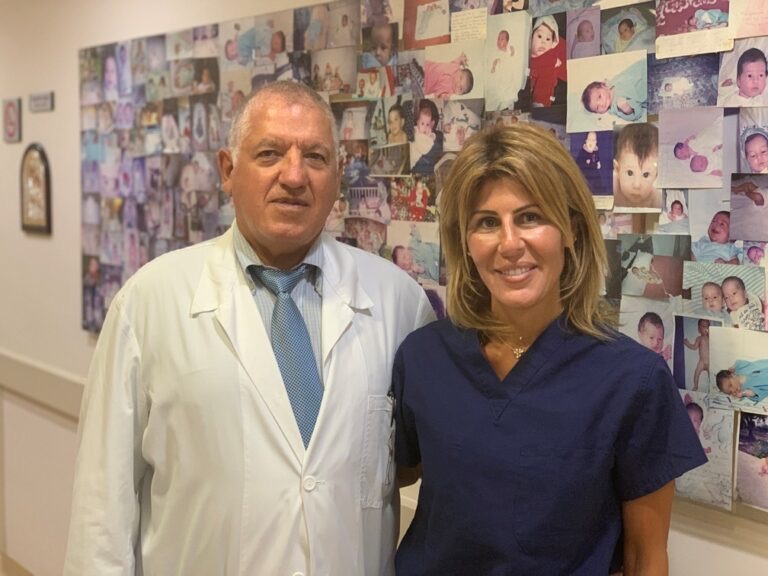
Hanabusa IVF has partnered with Dr. Konstantinos Pantos and Dr. Emmanouil Sfakianoudis of Genesis Athens Clinic to offer a carefully guided, safety-first PRP protocol informed by leaders in the field. Dr. LeBlanc has worked directly with Dr. Pantos—one of the early pioneers of ovarian PRP in Athens, Greece—bringing internationally developed expertise into a structured clinical pathway. Published clinical experience from their team has reported improvements in ovarian function markers (including AMH, FSH, and antral follicle count) and, for some patients, the return of menstrual cycles and subsequent pregnancies after PRP—though outcomes vary and require individualized medical evaluation.



PRP should never be offered as a “miracle add-on.” At Hanabusa IVF, PRP is considered within a specialty strategy for complex ovarian reserve cases—with careful screening, precise technique, and a clear next-step plan.

Hanabusa’s PRP approach was developed in connection with pioneers at Genesis Clinic in Athens (Dr. Konstantinos Pantos and Dr. Kyriakos Sfakianoudis), whose early work helped bring ovarian PRP into clinical exploration.
PRP is evaluated within the full context of POI/DOR physiology—what’s driving your hormone pattern, whether follicles are recruitable, and what success would realistically look like for you.
Intraovarian procedures require meticulous sterile technique and ultrasound-guided precision; we prioritize careful execution and appropriate follow-up.
We connect PRP to the next best step—monitoring, timing, and a clear path into natural-cycle IVF, mini IVF, IVF, or donor options when indicated.
The evidence is promising in some studies and mixed in others; we’ll tell you plainly what’s known, what’s not, and what outcomes are not guaranteed.
Ovarian PRP (platelet-rich plasma) is an emerging treatment that uses your body’s own growth factors with the goal of supporting ovarian function in select patients. At Hanabusa IVF, PRP is considered thoughtfully—paired with careful testing, counseling, and a personalized fertility plan.

PRP is being studied for its potential to support the ovarian microenvironment and influence hormone patterns and follicle activity in some patients. Early pilot studies and reviews report improvements in ovarian reserve markers in select populations, but results vary and stronger controlled evidence is still developing.
You have POI/POF or very low ovarian reserve and want to explore emerging options alongside a grounded fertility plan
You have low AMH / high FSH / low AFC and prior stimulation has produced few eggs
You’re of advanced reproductive age and want to explore whether ovarian activity can improve in your case
You’re experiencing perimenopause/early menopause patterns and want a specialist review (case-dependent)
Your best chance of pregnancy is likely through donor egg/donor embryo based on age, ovarian inactivity, or repeated non-response
You want a more established, evidence-based pathway only (we can focus on IVF strategies and alternatives)
You’re not comfortable with an investigational approach or procedure-based risk profile

The PRP procedure itself (prep + ultrasound guidance + facility/procedure fees)
Anesthesia/comfort approach (if used)
Baseline and follow-up monitoring (labs + ultrasound cadence)
Whether you proceed to a treatment cycle afterward (natural cycle IVF, mini IVF, IVF, etc.)
Often included: PRP preparation + procedure day services (package-dependent)
Often separate: labs, imaging, medications, and any subsequent IVF cycle costs
We position PRP carefully: outcomes are variable, and the evidence is mixed. Some studies and reviews report improvements in hormone profiles and follicle counts in certain patients, while other controlled research has not shown meaningful improvements in key IVF outcomes. Ongoing clinical trials continue to evaluate who (if anyone) benefits most.
Age (a major driver of embryo chromosomal health)
Underlying infertility factors beyond DOR (uterine/tubal/sperm/timing)
Protocol choice (avoiding overstimulation and overmaturation)
Number of eggs retrieved across time (including banking strategy)
Transfer environment and timing (fresh vs. frozen strategy as indicated)
Blood draw → PRP preparation → ultrasound-guided intraovarian infusion
Typically short; your care team will give specific post-procedure guidance
Planned lab/ultrasound checkpoints to assess whether ovarian activity changes
as with any intraovarian procedure, risks can include discomfort, bleeding, infection, and procedural complications; PRP in many uses is considered investigational and should be approached with informed consent and realistic expectations.


.png)

.png)
.png)

You’re a fit for Traditional Fertility Care if any of these statements resonate with you:
You’re just getting started
You want clear first steps
You’ve explored clinics, but still feel at the beginning
You need fertility testing
Your labs look reassuring
Your situation feels straightforward
You have fewer complicating factors
You’re considering IUI
You’re new to IVF
You’re planning an FET
You’re considering PGT
If anything, complex becomes evident, we smoothly upgrade your pathway.
You’re a fit for Complex Care if any of these statements resonate with you:
Low AMH/AFC or DOR concerns
You have Diminished Ovarian Reserve (DOR)
You have POI or high FSH concerns
You’re considering Ovarian Rejuvenation (PRP)
Age 40+ or time feels limited
Prior IVF didn’t respond as hoped
Low egg numbers / embryo growth issues
Unsuccessful embryo transfers
Recurrent pregnancy loss (2+ losses)
Male factor needs ICSI or TESE
You’ve been told your case is complex
If your case is complex from the start, we build the right strategy from day one.