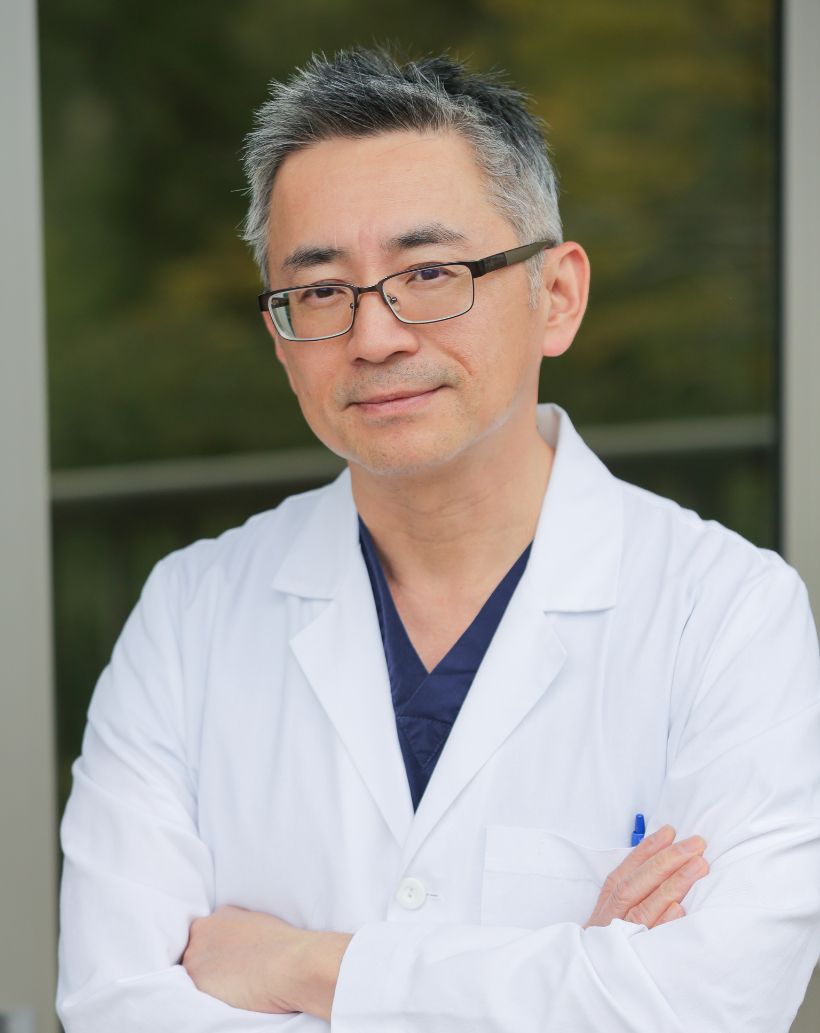
Dr. Chang is committed to delivering personalized, evidence-based fertility care. He specializes in IVF and advanced reproductive treatments, with a clinical approach grounded in precision medicine, thoughtful diagnostics, and individualized treatment planning. Known for his clear communication and patient-centered philosophy, Dr. Chang partners closely with individuals and couples to navigate complex fertility journeys with compassion, transparency, and the highest standards of medical excellence.
Dr. Lyndon Chang is the Medical Director at Hanabusa IVF and a recognized pioneer in the U.S. advancement of minimal stimulation IVF (Mini IVF) and natural-cycle approaches. With more than 30 years in women’s health and reproductive medicine, Dr. Chang is known for combining evidence-based care with a holistic, patient-centered philosophy especially for individuals who have been told their chances are low or who feel they’ve run out of options.
Dr. Chang’s clinical focus centers on complex fertility cases, with deep expertise in:
Dr. Chang played a key role in helping expand the adoption of Japanese-origin mild stimulation protocols in the United States. His approach prioritizes individualized planning—selecting the safest and most effective level of stimulation for each patient’s biology, goals, and timeline, rather than applying a one-size-fits-all protocol.
Dr. Chang is associated with several notable outcomes in assisted reproduction, including:
Dr. Chang earned his undergraduate degree from Pennsylvania State University (Phi Beta Kappa) and received his medical degree from Jefferson Medical College. He completed his OB/GYN residency training at Lenox Hill Hospital (Northwell Health) in Manhattan, where he also served as a Residency Supervisor and received the Kupperman Award for residency excellence.
Before joining Hanabusa IVF, Dr. Chang served as:
At Hanabusa IVF, Dr. Chang is committed to helping patients move forward with a plan that feels both medically sound and emotionally steady—grounded in realism, guided by experience, and built around the patient in front of him.


The first successful IVF using a patient’s own eggs following ovarian transplantation
Treating patients of advanced maternal age (over 40) and multiple failed IVF cycles
Patients with high FSH