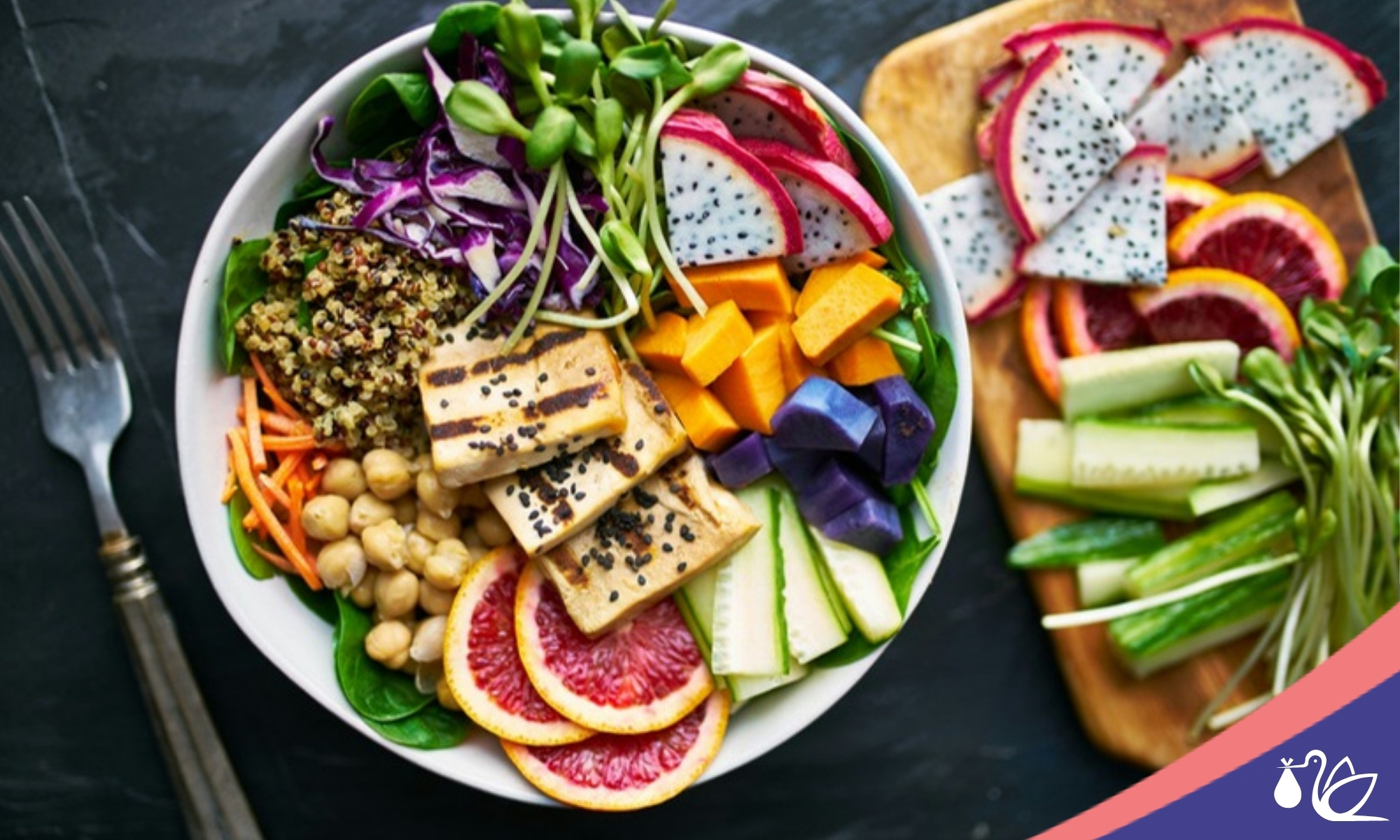
Once you start preparing for IVF, food can suddenly feel complicated. You may see lists of "fertility foods," supplements promising better egg quality, and strict rules about what you must cut out. It is easy to feel that every meal could help or hurt your chances, and that pressure can add stress to an already demanding time.
Here is the reassuring truth: there is no single perfect IVF diet. Good nutrition can support your overall health during treatment, but no food or supplement can guarantee a pregnancy. The goal is steady, balanced eating that helps you feel well, not perfection.
This guide explains what the evidence actually supports, general nutrition principles during treatment, common supplements patients ask about, foods and substances to avoid or limit, and how to approach nutrition without worry taking over. At Hanabusa IVF, we believe guidance should be practical, honest, and built around you.
What the Evidence Actually Supports
Research on diet and IVF outcomes is still developing, and much of it comes from observational studies. These studies can show associations, but they cannot prove that a specific food causes a better result. With that caution in mind, a few themes appear consistently.
Overall eating patterns matter more than single foods. Some studies have found that people who follow a Mediterranean style of eating, rich in vegetables, fruits, whole grains, legumes, fish, and olive oil, tend to have somewhat better fertility outcomes (Karayiannis et al., Human Reproduction, 2018; Gaskins et al., Fertil Steril, 2018). The benefit seems to come from the overall pattern rather than any one "superfood."
Folic acid before and during early pregnancy is well established. Taking folic acid helps prevent certain birth defects of the brain and spine. This is why a prenatal vitamin is commonly recommended for anyone trying to conceive.
A healthy weight can support treatment. Both very low and higher body weight can affect ovulation and response to treatment. If weight is a concern, gradual, sustainable changes are usually more helpful than rapid dieting, which can add stress to the body.
Avoiding smoking and limiting alcohol helps. These are among the clearest lifestyle factors linked to fertility.
What the evidence does not support is the idea that a specific fertility diet, cleanse, or detox can dramatically change IVF success. Be cautious of any program that makes big promises.
"I tell patients that food is a way to care for themselves during treatment, not a test they can fail. A balanced, enjoyable way of eating is far more helpful than a strict set of rules." - Dr. Diana LeBlanc, a Fertility Specialist at Hanabusa IVF
General Nutrition Principles During Treatment
You do not need a special menu to support your body during IVF. These simple principles can help.
Build balanced meals. Aim to include vegetables or fruit, a source of protein, whole grains or other fiber-rich carbohydrates, and some healthy fat at most meals.
Choose quality protein. Fish, poultry, eggs, beans, lentils, tofu, nuts, and dairy can all fit into a healthy pattern. Many patients find that plant proteins add variety and fiber.
Favor whole grains and fiber. Whole grains, beans, and vegetables help keep blood sugar steady and support digestion, which can be helpful when medications cause bloating.
Include healthy fats. Olive oil, avocados, nuts, seeds, and fatty fish provide fats that are part of the Mediterranean pattern.
Stay hydrated. Drinking enough water is especially helpful during stimulation and after egg retrieval. Your care team may give specific guidance if you are at risk of ovarian hyperstimulation.
Eat regularly. Skipping meals can leave you tired and irritable, especially when you are juggling appointments. Simple snacks such as yogurt, fruit, nuts, or hummus with vegetables can help.
Be gentle with yourself on hard days. Medications, nerves, and busy schedules can affect appetite. If some days are less balanced than others, that is okay. Consistency over weeks matters more than any single meal.
If you are planning ahead, our guide to getting ready for IVF and pre-cycle preparation explains other steps that happen before stimulation begins.
Common Supplements Patients Ask About
Supplements are one of the most common topics patients bring to their consultation. Here is a general overview of what is known. Always talk with your physician before starting any supplement, because some can interact with medications or affect hormone levels.
Prenatal vitamins with folic acid. A prenatal vitamin is widely recommended before conception and during pregnancy. Folic acid is the most important ingredient for preventing neural tube defects.
Vitamin D. Some studies have linked low vitamin D levels with lower fertility outcomes, though it is not clear that supplementing improves results. Your physician may check your level and recommend a supplement if it is low.
CoQ10 (coenzyme Q10). CoQ10 is an antioxidant involved in cellular energy. Small studies suggest it may support egg quality in some patients, particularly those with diminished ovarian reserve, but the evidence is limited and larger trials are needed.
DHEA. DHEA is a hormone supplement sometimes discussed for patients with low ovarian reserve. Research results are mixed, and because it is a hormone, it should only be taken under a physician's guidance.
Omega-3 fatty acids. Omega-3s, found in fish oil and some plant sources, are part of a healthy diet and are commonly included in prenatal supplements.
Supplements for male partners. Some antioxidant supplements are marketed for sperm health. Evidence is mixed, and it is best to discuss them with your care team.
Many patients ask whether supplements can quickly raise AMH or "fix" egg quality. Our article on whether you can increase AMH quickly with supplements looks closely at what the science shows.
At Hanabusa IVF, we see many patients with complex histories, such as diminished ovarian reserve or previous unsuccessful cycles, as well as those just beginning their journey. In every case, we prefer a thoughtful, individualized approach to supplements rather than a long list of products. More is not automatically better, whether it is medication or supplements.
"Patients sometimes arrive with a bag full of supplements they found online. We review each one together, keep what is supported for their situation, and drop what is not. Simpler is often safer." - Dr. Lyndon Chang, Medical Director at Hanabusa IVF
It also helps to keep a written list of everything you take, including vitamins, herbal products, and over-the-counter medications. Your care team can then check it against your fertility medications, which are explained in our IVF medication guide.
Foods and Substances to Avoid or Limit
A few changes are worth making during treatment and early pregnancy. These are practical precautions, not reasons to fear food.
Alcohol. Many fertility specialists recommend avoiding alcohol during IVF and pregnancy. If you are unsure, ask your care team what makes sense for you.
Smoking and vaping. Smoking is linked to lower fertility and poorer IVF outcomes. If you smoke, your care team can help you find support to quit.
Caffeine. Moderate caffeine is generally considered acceptable. Many guidelines for pregnancy suggest keeping caffeine under about 200 milligrams a day, roughly one to two cups of coffee. For a closer look, see our article on coffee and fertility.
High-mercury fish. Fish is a healthy protein, but some types, such as swordfish, king mackerel, shark, tilefish, marlin, orange roughy, and bigeye tuna, are high in mercury. Choose lower-mercury options such as salmon, sardines, trout, and shrimp (FDA/EPA, Advice about Eating Fish: https://www.fda.gov/food/consumers/advice-about-eating-fish).
Foods with a risk of listeria. In pregnancy, it is wise to avoid unpasteurized dairy, raw or undercooked meat and seafood, and deli meats that have not been heated. Many patients start these habits during treatment so they are already in place.
Highly processed foods and sugary drinks. These do not need to be eliminated completely, but limiting them helps make room for more nourishing choices.
Unregulated herbal products. Some herbs can affect hormones or interact with medications. Check with your physician before taking any herbal remedy during treatment.
What to Do Instead of Worrying About 'Perfect' Nutrition
It is very common to feel that you should be doing more. Many patients worry that one cup of coffee or one dessert could ruin their cycle. Please hear this clearly: occasional treats will not undo your treatment.
Instead of chasing perfection, try these steps:
- Focus on a few simple habits, such as a daily prenatal vitamin, a vegetable at most meals, and staying hydrated.
- Plan ahead for busy days, especially around monitoring appointments and retrieval, by keeping easy, nourishing foods on hand.
- Ask for guidance from the right source. If you have specific needs, such as diabetes, PCOS, food allergies, or a history of disordered eating, a registered dietitian can create a plan that fits you.
- Care for your mind as well as your body. Stress management can make healthy eating feel easier. Our guide to meditation for fertility and stress reduction shares simple techniques.
- Talk with your care team. You never need to figure this out alone.
At Hanabusa IVF, our "One Size Doesn't Fit All" philosophy means we look at your history, your medications, and your goals together. Whether you are following a gentle protocol or conventional stimulation, our team can help you decide which nutrition and supplement choices make sense for you.
Frequently Asked Questions
What should I eat during an IVF cycle?
Focus on balanced meals with vegetables, fruit, whole grains, quality protein, and healthy fats, similar to a Mediterranean style of eating. Stay hydrated and eat regularly. There is no single required IVF diet, and consistency matters more than perfection.
Do supplements like CoQ10 actually improve egg quality?
Some small studies suggest CoQ10 may support egg quality in certain patients, particularly those with low ovarian reserve, but the evidence is limited. Talk with your physician before starting it or any other supplement.
Should I avoid caffeine or alcohol during treatment?
Many specialists recommend avoiding alcohol during IVF and pregnancy. Moderate caffeine is generally considered acceptable, and many pregnancy guidelines suggest keeping it under about 200 milligrams a day.
Is there a special 'IVF diet' I should follow?
No single diet has been proven to guarantee IVF success. A balanced, Mediterranean-style pattern is a reasonable approach for most patients. Be cautious of programs that promise dramatic results.
Should I ask my doctor before taking fertility supplements?
Yes. Some supplements can interact with medications or affect hormone levels. Your physician can review what you are taking and recommend what fits your situation.
Have Questions About Nutrition or Supplements During Your Cycle?
A healthy IVF diet is not about strict rules or long lists of products. It is about steady, balanced choices that help you feel your best while your medical team focuses on the clinical side of treatment. Small, consistent habits make a real difference in how you feel.
At Hanabusa IVF, your care is built around your body and your goals. Have questions about nutrition or supplements during your cycle? Ask our care team before starting anything new.
See all supporting studies and references used to produce our content: CLICK HERE