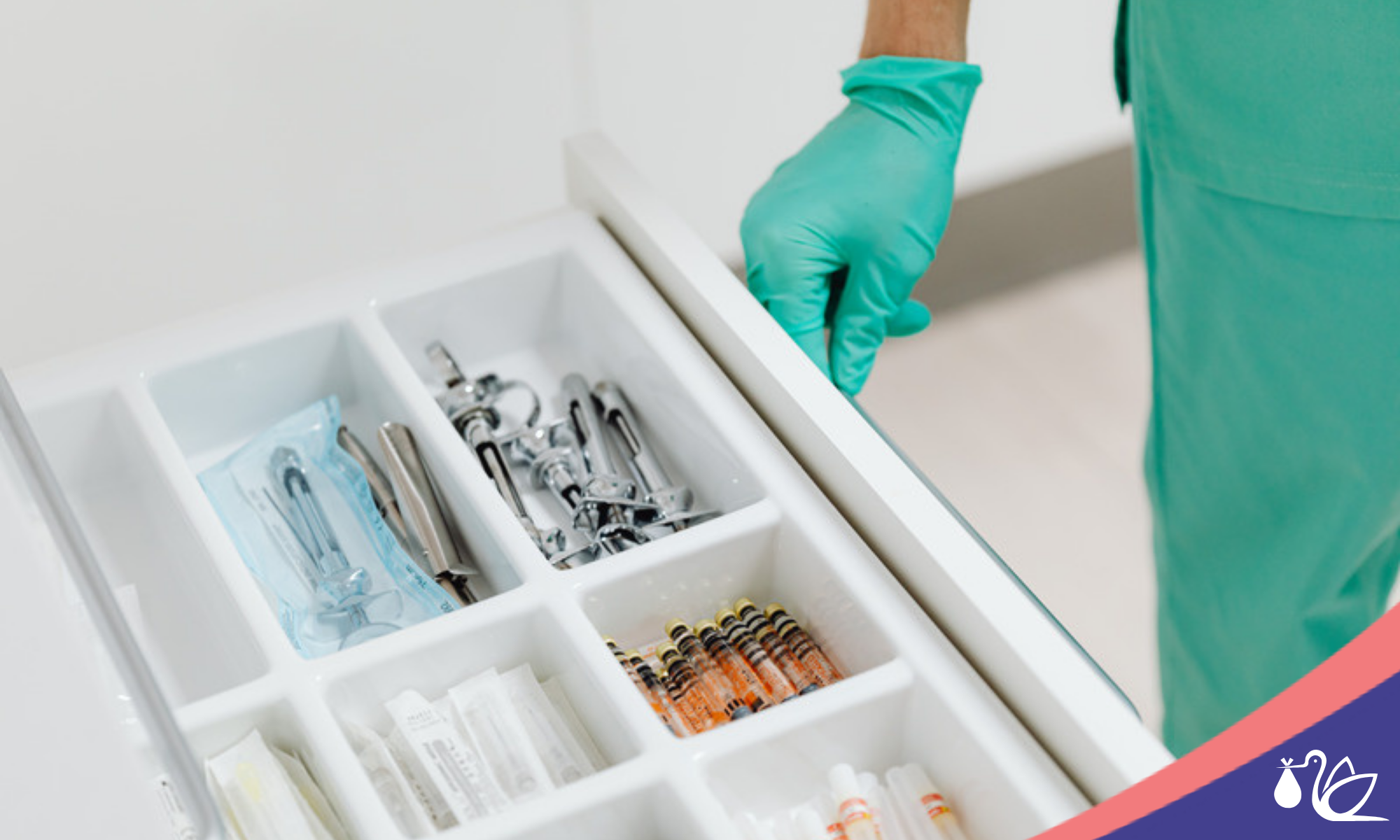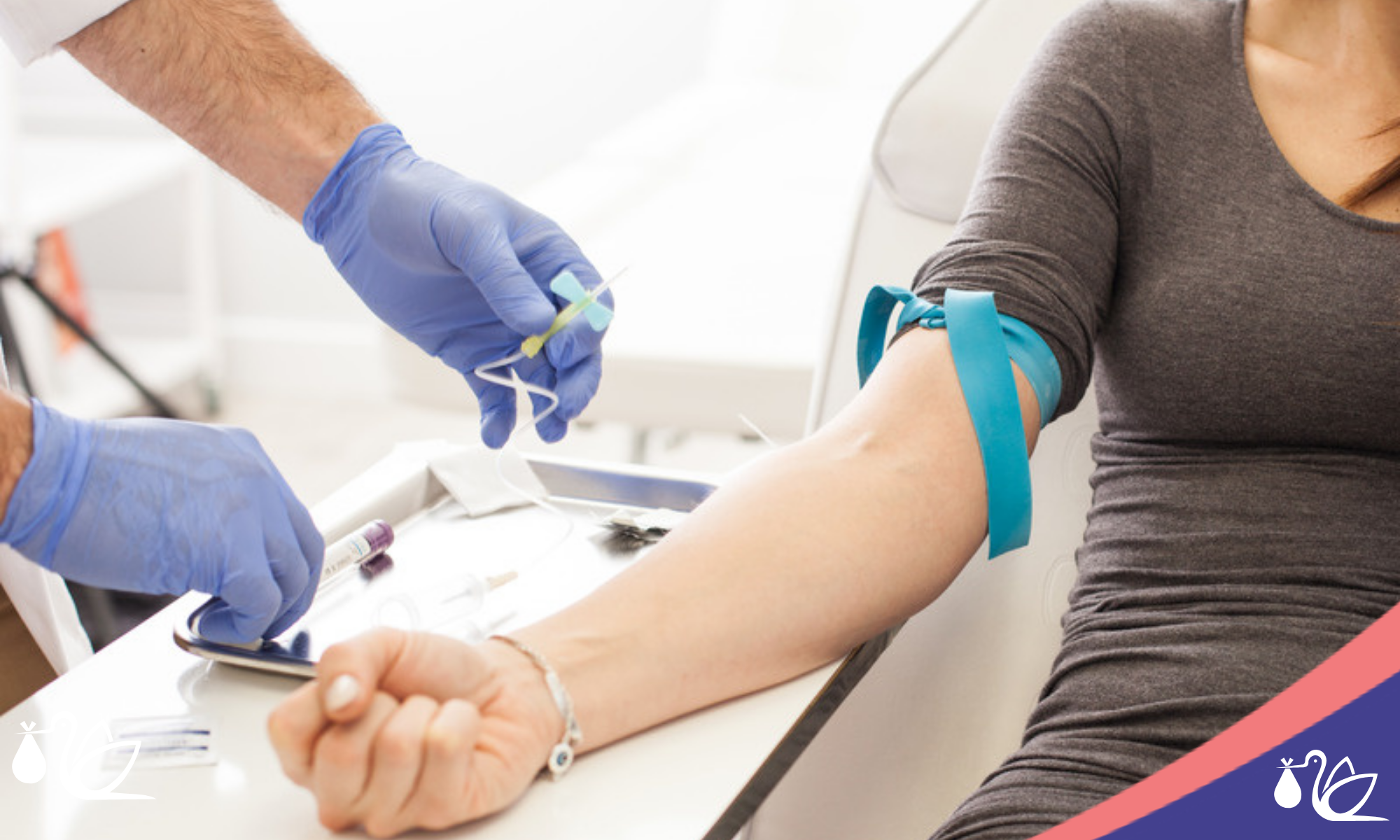
The first time you open a box of fertility medications, it can feel like a lot. Pens, vials, syringes, alcohol swabs, and a printed calendar with names you may never have heard before. If your heart sank a little at the sight of it all, you are not alone.
The good news is that once you understand what each medication does and why it is part of your plan, IVF injections start to feel far more manageable. Most patients find that the fear fades after the first few days, especially with good instructions and a care team they can call.
This guide gives you a clear overview of common IVF medications, what they do, when they are typically used, and what side effects to expect. It is meant as orientation, not a substitute for your own protocol. At Hanabusa IVF, every medication plan is built around the individual, so your list may look different from someone else's, and that is by design.
The Main Categories of IVF Medications
Most IVF medications fall into a few broad categories. Knowing these groups makes your medication list much easier to understand.
- Stimulation medications: help multiple follicles grow in the ovaries. Examples include Gonal-F, Follistim, and Menopur. Some gentler protocols also use oral medications such as clomiphene or letrozole.
- Medications that prevent premature ovulation: keep your body from releasing eggs before retrieval. Examples include Ganirelix, Cetrotide, and Lupron.
- The trigger shot: prompts eggs to complete their final maturation so they can be retrieved at the right time. Common options include hCG medications such as Ovidrel or Novarel, and in some protocols, Lupron.
- Support medications: used after retrieval or around embryo transfer to prepare and support the uterine lining. Progesterone and estrogen are the most common.
Support medications after retrieval
Progesterone deserves a special mention because many patients use it for weeks. After egg retrieval, or in preparation for a frozen embryo transfer, progesterone helps make the uterine lining receptive to an embryo and supports very early pregnancy. It may be given as an injection, a vaginal suppository or gel, or a combination. Estrogen, given as pills, patches, or injections, is often used to build the lining before a frozen transfer.
Your care team will explain when to start and stop these medications. Never stop progesterone on your own, even if you are worried about a negative test, without speaking to your nurse or physician first.
Not every patient uses every category, and doses vary widely. Your physician chooses each medication based on your ovarian reserve, age, history, and goals.
Medications that prevent premature ovulation play a crucial role, and they have their own detailed explanation. To learn how Lupron and Ganirelix work and why your protocol might use one or the other, read our guide to preventing premature ovulation with Lupron and GnRH medications.
Stimulation Medications: What They Do
Stimulation medications are usually the main IVF injections during the first week or two of a cycle. In a natural menstrual cycle, your body typically matures a single egg. Stimulation medications encourage several follicles to develop at once, giving your team the opportunity to retrieve more than one egg.
What does Gonal-F do in IVF?
Gonal-F contains follitropin alfa, a lab-made form of follicle-stimulating hormone (FSH). FSH is the hormone that tells follicles to grow. Gonal-F is usually given as a daily injection under the skin with a pen device, and your dose may be adjusted based on monitoring results.
Follistim
Follistim also contains a lab-made form of FSH and works in a similar way to Gonal-F. Your physician may choose one or the other based on your protocol and pharmacy availability.
Menopur in IVF
Menopur contains both FSH and LH (luteinizing hormone) activity. Some patients benefit from a combination of these hormones, particularly in certain protocols or when previous response suggests it may help. Menopur is mixed from a powder and injected under the skin.
Oral stimulation medications
In some gentler protocols, including certain mini IVF approaches, oral medications such as clomiphene citrate or letrozole are used alone or alongside lower doses of injections. These approaches are designed to recruit a smaller number of follicles while keeping medication exposure lower.
When are stimulation injections given?
Timing is one of the most common questions about IVF injections. Stimulation medications usually begin early in your menstrual cycle, often on day two or three, although some protocols start after a preparation phase with birth control pills or estrogen. Most stimulation injections are given once a day, frequently in the evening, and it helps to give them at about the same time each day.
Stimulation usually continues for roughly one to two weeks, depending on how your follicles respond. Partway through, a medication to prevent premature ovulation is often added. Your daily instructions may change after each monitoring visit, so always follow the most recent guidance from your nurse rather than the original calendar if the two differ.
If you ever miss a dose or give the wrong amount, do not try to correct it on your own. Call your care team right away. Small timing issues are often easy to manage when the team knows about them quickly.
Dosing is never one size fits all. Your care team considers your test results, how your body has responded in the past, and your goals before choosing a starting dose, and then adjusts it based on how your follicles grow.
The Trigger Shot
The trigger shot is one of the most important IVF injections in your cycle, even though you usually take it only once. When monitoring shows that your follicles have reached the right size, your care team will tell you exactly when to give it.
The trigger helps eggs complete their final stage of maturation. Egg retrieval is then scheduled a specific number of hours afterward, which is why timing is so precise. Giving the trigger too early or too late can affect how many mature eggs are retrieved, so your nurse will give you an exact time, often to the minute.
Common trigger shot options include:
- hCG medications such as Ovidrel, Novarel, or Pregnyl
- Lupron, which may be used as a trigger in certain protocols, sometimes to help lower the risk of ovarian hyperstimulation
- A combination of both in some cases
To see where the trigger fits into the overall sequence of a stimulation cycle, read our IVF injection schedule day by day guide.
Common Side Effects and When to Call
Most side effects from IVF medications are mild and temporary. Knowing what is normal can help you feel calmer when something new appears.
Common, expected side effects include:
- Bloating or a feeling of fullness in the abdomen
- Breast tenderness
- Mild cramping or pelvic discomfort
- Mood changes, fatigue, or headaches
- Redness, bruising, or mild soreness at the injection site
These usually ease after retrieval or once medications are stopped. Rotating injection sites, applying a cool compress, and following your nurse's technique can help with injection-site discomfort.
Call your care team promptly if you notice:
- Severe or worsening abdominal pain
- Rapid weight gain or significant swelling of the abdomen
- Shortness of breath or chest discomfort
- Noticeably less urination
- Severe nausea or vomiting
- Signs of an allergic reaction, such as hives or difficulty breathing
Some of these can be signs of ovarian hyperstimulation syndrome (OHSS), which your team monitors for carefully. Gentler stimulation is one way to lower this risk, as explained in our article on avoiding OHSS with gentle stimulation protocols. When in doubt, call. Your nurses would much rather hear from you than have you wait.
Storing your medications correctly also matters for safety and effectiveness. Our guide to IVF medication storage and handling explains what to refrigerate, how to travel with medications, and what to do if something goes wrong.
Practical tips for giving IVF injections
A few simple habits make IVF injections easier for most people:
- Set a daily alarm. Many injections are given at roughly the same time each evening, so a reminder keeps you consistent.
- Prepare a clean space. Lay out your medication, needles, alcohol swabs, and sharps container before you begin.
- Wash your hands and clean the site. This simple step lowers the risk of irritation or infection.
- Rotate injection sites. Alternating sides of the abdomen helps reduce soreness and bruising.
- Ask for help if you need it. A partner or friend can learn to give injections, too, and our nurses are happy to teach them.
- Keep a log. Write down each dose and time so you can confirm everything at a glance.
If you are nervous about giving yourself IVF injections, you are in good company. Our nursing team offers hands-on teaching, and you can review step-by-step demonstrations in our injection training video library.
Why Your Protocol May Look Different From a Friend's
It is natural to compare notes with a friend, a sister, or someone in an online group. You may notice that their medication list is longer, their doses are higher, or they started on a different day. That can feel confusing or even worrying.
At Hanabusa IVF, differences are expected. Two people with the same diagnosis can need very different plans because of their age, ovarian reserve, past response, body weight, and goals. One patient may benefit from conventional stimulation to bank embryos, while another may do well with a gentler approach that uses less medication.
\"I remind patients that their protocol is written for them, not for anyone else. Comparing doses with a friend is like comparing prescriptions for glasses. What works for one person may not be right for another.\" - Dr. Diana LeBlanc, a Fertility Specialist at Hanabusa IVF
This is the heart of our \"One Size Doesn't Fit All\" philosophy. More medication does not automatically mean better results. Our physicians have experience with both gentler and more conventional approaches, and many patients receive a tailored plan that draws from both. Whether this is your first cycle or you are returning after a difficult experience elsewhere, your medication plan is chosen for you.
If something in your protocol feels unclear, ask. Understanding the reason behind each medication can make the whole process feel more like a partnership.
Frequently Asked Questions
What are the main types of IVF medications?
Most IVF medications fall into four groups: stimulation medications that help follicles grow, medications that prevent premature ovulation, the trigger shot that matures eggs before retrieval, and support medications such as progesterone used around embryo transfer. Your protocol may include some or all of these depending on your plan.
What does Gonal-F do in an IVF cycle?
Gonal-F contains a lab-made form of follicle-stimulating hormone (FSH), which encourages follicles in the ovaries to grow. It is usually given as a daily injection with a pen, and your dose may be adjusted based on monitoring results. Your care team decides whether Gonal-F fits your protocol.
What is the trigger shot and when is it given?
The trigger shot helps eggs complete their final maturation before retrieval. It is given once monitoring shows your follicles are ready, and retrieval is scheduled a precise number of hours later. Your nurse will tell you the exact time to take it.
What are common side effects of IVF injections?
Common side effects include bloating, breast tenderness, mild cramping, mood changes, and soreness or bruising at the injection site. These usually resolve after retrieval. Call your care team right away for severe abdominal pain, shortness of breath, rapid weight gain, or reduced urination.
Why is my medication protocol different from someone else's?
Protocols are based on your age, ovarian reserve, history, response to past treatment, and goals. At Hanabusa IVF, every plan is individualized, so differences between patients are expected. A different protocol does not mean a better or worse one, only one designed for you.
Have Questions About Your Specific Medication Protocol?
IVF injections can feel intimidating at first, but understanding what each medication does and why it is part of your plan can make a real difference. Stimulation medications, ovulation-blocking medications, the trigger shot, and support medications each have a clear purpose, and your care team will guide you through every step.
At Hanabusa IVF, your medication plan is built around your body and adjusted as your body responds. Have questions about your specific medication protocol? Contact our care team.
See all supporting studies and references used to produce our content: CLICK HERE