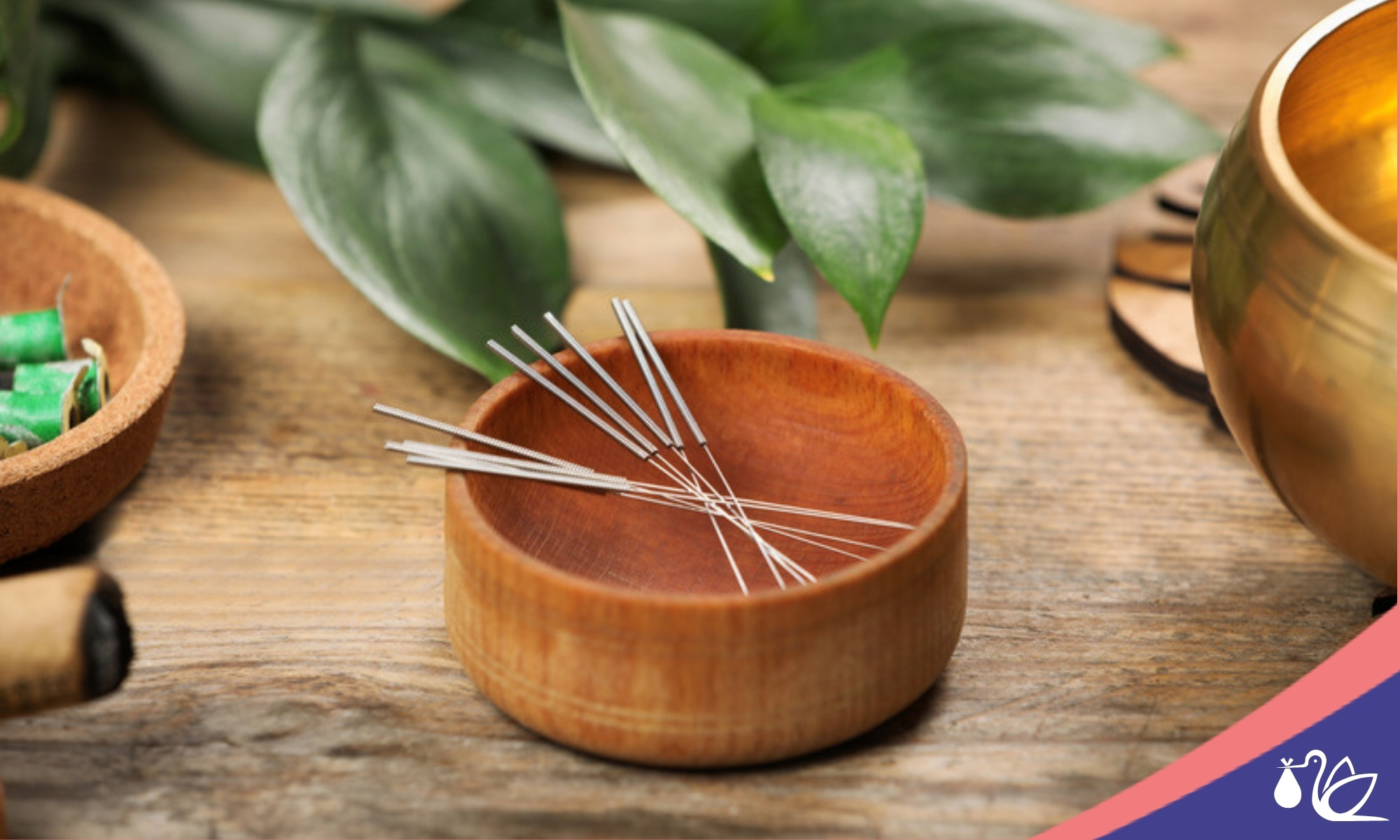
Maybe you have already read about acupuncture for IVF support and decided it is something you would like to try. Or perhaps a friend recommended a local acupuncturist who helped her feel calmer during treatment. Either way, the next questions are practical ones. How do you find a qualified provider in San Diego? When should sessions happen during your cycle? And what will a session actually be like? About 1 in 6 people worldwide experience infertility (WHO, April 2023), and many explore complementary approaches like acupuncture for IVF support to feel more grounded during treatment.
This guide focuses on those practical steps. It offers a quick recap of what the research shows, explains how to find a qualified acupuncture provider, describes how to coordinate timing with your IVF cycle, and walks you through what to expect at a session. If you are considering acupuncture for IVF support, the goal is to help you do it safely and in a way that fits your treatment plan.
At Hanabusa IVF, we respect each patient's choices about complementary care. Our role is to make sure every part of your plan works together.
A Quick Recap: What the Evidence Shows
Before you book appointments, it helps to have realistic expectations.
- Safety: When performed by a licensed practitioner using sterile, single-use needles, acupuncture is generally considered low risk during IVF. Side effects are usually mild, such as slight bruising or soreness.
- Effect on success rates: The strongest research to date, including a large randomized trial published in JAMA in 2018 and a Cochrane review updated in 2021, has not shown that acupuncture clearly improves live birth rates during IVF.
Research snapshot: In the largest randomized controlled trial to date, 848 women undergoing IVF were randomly assigned to acupuncture or sham acupuncture. Live birth rates were 18.3% in the acupuncture group and 17.8% in the control group, a difference that was not statistically significant. (Smith CA et al., JAMA, 2018)
- Possible benefits: Some patients find that acupuncture helps them relax, rest, and feel more supported during treatment. These personal benefits are harder to measure but may still be meaningful to you.
In short, acupuncture is best viewed as a source of comfort and support, not as a way to raise your chances of pregnancy. For a deeper look at the studies and what they mean, read our guide on whether acupuncture is safe during IVF and what the research shows.
Finding a Qualified Acupuncture Provider
San Diego has many acupuncturists, and not all of them have experience working with fertility patients. Taking time to choose carefully can make your experience safer and more comfortable.
Check licensing first. In California, acupuncturists must be licensed by the California Acupuncture Board. Licensed practitioners use the credential L.Ac. You can verify a license through the board's online lookup before your first visit.
Look for fertility experience. Ask whether the practitioner regularly works with patients going through IVF. Someone familiar with fertility treatment will understand monitoring schedules, medications, and the timing of retrieval and transfer.
Ask about safety practices. A qualified provider should use sterile, single-use needles and follow clean technique.
Ask about herbs and supplements. Some acupuncturists also recommend herbal remedies. Herbs can interact with fertility medications or affect hormone levels, so do not start any herbal product without checking with your physician first.
Consider location and flexibility. IVF monitoring appointments often happen early in the morning and on short notice. A provider close to home, work, or our clinic in Sorrento Valley can make scheduling easier.
Notice how you feel. A good practitioner listens, explains what they are doing, and is honest about what acupuncture can and cannot do. Be cautious of anyone who promises that acupuncture will significantly increase your chances of success.
Hanabusa IVF maintains an acupuncture network page that lists providers patients may choose to explore. Inclusion on that page is meant as a starting point for your own research, and the choice of provider is always yours.
Questions to ask a potential acupuncturist:
- Are you licensed by the California Acupuncture Board?
- How often do you work with patients during IVF?
- How will you adjust treatment based on where I am in my cycle?
- Do you recommend herbs, and if so, will you coordinate with my fertility physician first?
- Are you comfortable communicating with my care team if needed?
Coordinating Timing With Your IVF Cycle
Timing is one of the most important parts of using acupuncture for IVF support. Sessions should fit around your treatment, never the other way around.
Share your calendar. Give your acupuncturist a general overview of your cycle, including when stimulation starts, when monitoring visits are expected, and the approximate timing of retrieval and transfer. Our guide to the IVF injection schedule day by day offers a general picture of how a cycle often unfolds.
Common timing approaches:
- Before stimulation: Some patients begin weekly sessions in the weeks leading up to their cycle to establish a calming routine.
- During stimulation: Sessions may continue, as long as your acupuncturist knows your treatment stage and medications.
- Around embryo transfer: Many studies on acupuncture and IVF focused on sessions shortly before and after transfer. If you would like sessions on transfer day, plan carefully so travel does not add stress.
Avoid conflicts. Never let an acupuncture appointment interfere with a monitoring visit, a medication dose, or your trigger shot. If schedules overlap, your IVF appointment comes first.
After retrieval. Ask your care team when it is comfortable to resume sessions, especially if you feel bloated or sore.
Tell your care team. Let your Hanabusa IVF physician and nurse know that you are receiving acupuncture. Clear communication helps everyone work together.
At Hanabusa IVF, every protocol is individualized, and our "One Size Doesn't Fit All" philosophy applies to complementary care, too. Some patients follow gentler stimulation approaches, while others use conventional protocols, and the timing of complementary care may look different for each. More interventions are not automatically better, just as more medication is not automatically better.
"I encourage patients to treat acupuncture as one part of a bigger self-care plan. Rest, good sleep, and emotional support matter just as much." - Dr. Diana LeBlanc, a Fertility Specialist at Hanabusa IVF
What to Expect at a Session
If you have never tried acupuncture, knowing what happens can help you feel more at ease.
The first visit. Your acupuncturist will usually ask about your health history, your fertility treatment, your medications, and how you are feeling. Be open about where you are in your cycle.
During treatment. You will typically lie on a padded table while the practitioner places very thin needles at specific points. Most people feel little or no pain, though you may notice a mild tingling, heaviness, or warmth. Needles usually stay in place for about 20 to 30 minutes while you rest.
Afterward. Many patients feel relaxed or a little sleepy. Mild soreness or a small bruise at a needle site can happen. Plan a few quiet minutes after your session before returning to a busy day.
Frequency. Practitioners often suggest weekly sessions, sometimes with additional sessions around transfer. You can decide what feels manageable for your schedule and comfort.
If you find that acupuncture adds stress rather than relieving it, it is perfectly fine to stop. Many other practices can support your wellbeing, including mindfulness. Our guide to meditation for fertility and stress reduction offers simple techniques you can try at home, and our IVF wellness and support services page describes other resources available to patients.
Hanabusa IVF supports patients at every stage, from those starting their first cycle to those with complex histories such as diminished ovarian reserve or failed cycles elsewhere. Whatever complementary choices you make, our team is here to help them fit safely into your plan.
Frequently Asked Questions
How do I find a qualified acupuncturist for fertility support?
Look for a practitioner licensed by the California Acupuncture Board (L.Ac.) who has experience working with IVF patients and uses sterile, single-use needles. Hanabusa IVF's acupuncture network page lists providers you may choose to explore.
How should I coordinate acupuncture timing with my IVF cycle?
Share your general treatment calendar with your acupuncturist and schedule sessions around monitoring visits, medications, retrieval, and transfer. Your IVF appointments should always take priority, and your care team should know you are receiving acupuncture.
What should I expect at an acupuncture session during treatment?
Your practitioner will review your health and treatment details, then place thin needles at specific points while you rest for about 20 to 30 minutes. Most people feel little discomfort and often feel relaxed afterward.
Does Hanabusa recommend specific acupuncture providers?
Hanabusa IVF maintains an acupuncture network page with providers patients may choose to consider. Acupuncture is optional, and our team is happy to discuss whether and how it might fit your individual plan.
Considering Complementary Support During Your Cycle?
Acupuncture for IVF support can be a calming addition to treatment when you choose a qualified provider and coordinate timing carefully. While research does not show that it raises success rates, many patients value the sense of rest and care it brings.
At Hanabusa IVF, your plan is built around you, including your choices about complementary care. Considering complementary support during your cycle? Talk to your care team about coordinating timing.
See all supporting studies and references used to produce our content: CLICK HERE