Once your cycle start date is set, it is natural to want to picture what the next two weeks will actually look like. Which day do the injections begin? When do appointments happen? When does the trigger shot come, and how soon after that is retrieval?
Having a general sense of the IVF timeline day by day can make the stimulation phase feel far less mysterious. When you know roughly what is coming, you can plan work, rest, and support around it.
This guide walks through a typical IVF cycle timeline during stimulation, from the first injection to retrieval day. Please read the note below first, because your own schedule at Hanabusa IVF will be designed specifically for you.
Important Note Before You Read This Schedule
The schedule on this page is a general, illustrative example only. It is not your personal protocol, and it should never be used to change how or when you take your medications.
At Hanabusa IVF, every protocol is individualized. The number of days, the medications, the doses, and the timing of each step depend on your age, ovarian reserve, history, previous response to treatment, and goals. A patient on a gentler stimulation approach may follow a very different pattern than someone on conventional stimulation. Your schedule may also change from day to day based on monitoring results.
It can help to keep your own written calendar. Record each medication, dose, and time, along with any changes your nurse gives you after monitoring. Having everything in one place makes it easier to stay on track, and it is useful if you ever need to answer questions from your care team about what you took and when.
It is also wise to plan ahead for the busiest part of the cycle. Monitoring visits often fall on short notice, and retrieval day will require you to take time off and arrange a ride home. Letting your employer or family know the general window in advance can reduce last-minute stress.
Always follow the instructions from your care team, even if they differ from what you read here. If anything is unclear, call your nurse before your next dose.
If you are still in the planning stage, our overview of the IVF timeline and pre-cycle preparation explains everything that happens before stimulation begins, including baseline testing and your consultation.
Days 1-3: Starting Stimulation Medications
In many protocols, stimulation begins early in the menstrual cycle, often on cycle day two or three, after a baseline ultrasound and bloodwork confirm that your body is ready. Some protocols begin after a short preparation phase with birth control pills or estrogen.
What typically happens:
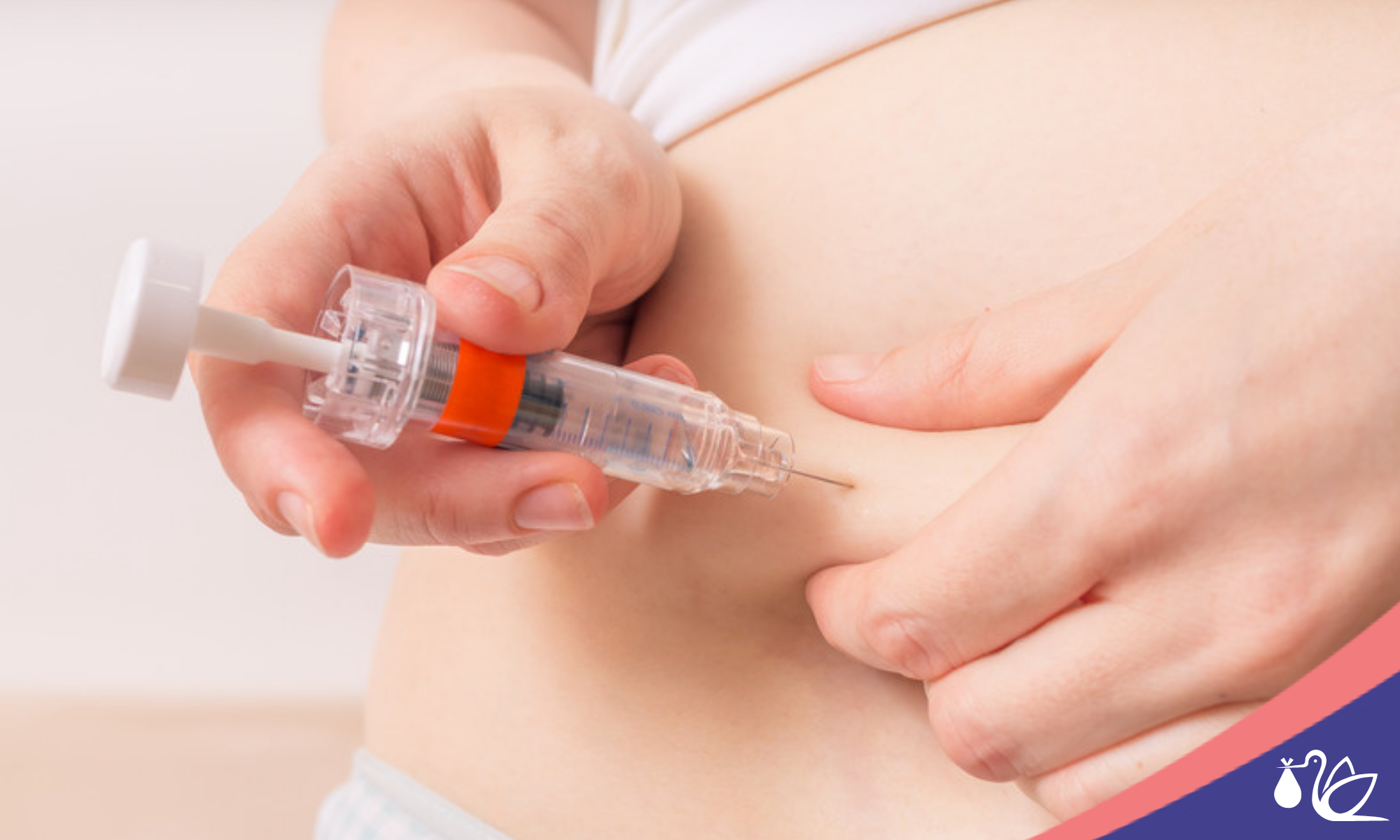
- You begin daily stimulation injections, often in the evening, such as Gonal-F, Follistim, Menopur, or a combination.
- In some gentler protocols, oral medications such as clomiphene or letrozole may be used alone or alongside lower doses of injections.
- You settle into a routine of preparing and giving injections at about the same time each day.
How you may feel:
Most patients feel fairly normal during these first days. Some notice mild bloating, tiredness, or mood changes as hormone levels begin to rise.
Tips for your first injections:
- Choose a consistent time each day and set a phone alarm.
- Prepare a clean, well-lit space with all your supplies laid out.
- Rotate injection sites on your abdomen to reduce soreness.
- Ask a partner or friend to learn alongside you if you would like help.
Many patients feel nervous before the very first injection and are surprised by how quickly it becomes routine. Our nurses provide hands-on teaching, and you can watch step-by-step demonstrations in our injection training video library.
For an explanation of what each medication does and why it might be part of your plan, read our IVF medication guide. This is also a good time to make sure you are storing your medications correctly and have your supplies organized.
Days 4-8: Monitoring and Adjustments
Around the fourth or fifth day of stimulation, monitoring appointments usually begin. These visits continue every one to three days, sometimes more often, as follicles grow.
What typically happens:
- A transvaginal ultrasound measures your follicles and uterine lining.
- Bloodwork checks hormone levels, especially estradiol.
- Your nurse calls later that day with updated instructions, which may include dose changes.
This is the stage where your IVF medication schedule is most likely to change. Doses may go up, down, or stay the same depending on how your body is responding. At Hanabusa IVF, these adjustments are expected. More medication is not automatically better, and your team adjusts based on your response rather than following a fixed formula.
"I tell patients that their calendar is a living document. Every monitoring visit gives us new information, and we use it to fine-tune the plan for them." - Dr. Diana LeBlanc, a Fertility Specialist at Hanabusa IVF
To understand why monitoring is so frequent and what your care team is looking for, read our guide to follicle monitoring during IVF stimulation. For a closer look at what estradiol and other hormone levels mean, see our article on IVF blood work and estradiol, LH, and progesterone levels.
How you may feel:
As follicles grow, bloating and a feeling of fullness often increase. Mild pelvic discomfort is common. Call your care team if you have severe pain, shortness of breath, or rapid weight gain.
Adding Lupron or Ganirelix
As follicles grow and estrogen rises, your body may begin preparing to ovulate on its own. To prevent this, many protocols add a medication that blocks premature ovulation.
What typically happens:
- In an antagonist protocol, Ganirelix or Cetrotide is often added partway through stimulation, commonly around day five or six, or once follicles reach a certain size.
- In an agonist protocol, Lupron may have started earlier, sometimes before stimulation began.
- This medication is usually continued daily until the trigger shot.
Not every protocol uses these medications in the same way, and some gentler approaches use them differently or not at all. Your care team will tell you whether and when to add one. To learn how these medications work and why one may be chosen over another, read our guide to preventing premature ovulation with Lupron and GnRH medications.
The Trigger Shot and Final Countdown to Retrieval
Somewhere around days eight to twelve in many cycles, monitoring shows that enough follicles have reached the right size. Your care team then schedules the trigger shot.
What typically happens:
- You receive precise instructions for your trigger, often down to the exact minute.
- The trigger may be an hCG medication, Lupron, or a combination, depending on your protocol.
- Egg retrieval is scheduled a specific number of hours later, commonly around 34 to 36 hours after the trigger.
- Most other stimulation medications stop around this time.
Why the exact hour matters:
The trigger shot starts the final maturation of your eggs. If retrieval happens too early, eggs may not be mature. If it happens too late, ovulation could begin before retrieval. That is why your nurse will be very specific about timing, and why it is worth setting more than one alarm.
"The trigger is the one moment in the cycle where precision really matters. Everything we have done during stimulation leads up to that timing, so we take great care to get it right for each patient." - Dr. Lyndon Chang, Medical Director at Hanabusa IVF
How you may feel:
Bloating may peak in the final days before retrieval. Many patients feel a mix of excitement and nerves. Plan for rest, comfortable clothing, and support at home.
Retrieval Day
Retrieval day is the culmination of the stimulation phase. It is a short outpatient procedure in which mature eggs are collected from the follicles.
What typically happens:
- You arrive at the clinic at your scheduled time, following any fasting or preparation instructions.
- The retrieval itself is brief. Your physician uses ultrasound guidance to collect eggs from the follicles.
- You rest for a short time afterward before going home with a companion.
- Later that day or the next, you receive an update on how many eggs were retrieved.
Many patients ask whether they will be awake for the procedure. Approaches vary, and at Hanabusa IVF some patients on gentler protocols may be able to have retrieval while awake with local anesthesia. You can read more in our article on the IVF egg retrieval procedure.
How you may feel afterward:
Mild cramping, bloating, and light spotting are common for a day or two. Most patients rest for the remainder of the day and return to light activities soon after. Call your care team if you develop severe pain, fever, heavy bleeding, difficulty breathing, or rapid swelling of the abdomen.
After retrieval, the focus shifts to the laboratory, where eggs are fertilized and embryos develop over the following days. You may begin progesterone or other support medications if a fresh transfer is planned, or your embryos may be frozen for a future transfer. Over the next several days, our embryology team will keep you informed about how your embryos are developing, a stage explained in our guide to embryo development from day 3 to day 5.
Hanabusa IVF supports patients at every stage, from those completing a first cycle to those with complex histories such as diminished ovarian reserve or previous difficult cycles elsewhere. Whatever your path, the days after retrieval are guided by the same individualized care as every day before it.
Frequently Asked Questions
What does a typical IVF injection schedule look like day by day?
In general, stimulation injections start early in the menstrual cycle, monitoring begins around day four or five, a medication to prevent premature ovulation is often added mid-cycle, and the trigger shot is given when follicles are ready. Retrieval follows a set number of hours later. This is only a general example, and your own protocol may differ.
Will my schedule look exactly like this general example?
Probably not, and that is expected. At Hanabusa IVF, protocols are individualized based on your age, ovarian reserve, history, and goals, and they are adjusted after each monitoring visit. Always follow your care team's instructions rather than a general timeline.
When does the trigger shot happen in the schedule?
The trigger shot is given once monitoring shows your follicles have reached the right size, often somewhere around days eight to twelve of stimulation. Your nurse will give you an exact time, and retrieval is scheduled a precise number of hours afterward.
How many days of injections are typical?
Many stimulation phases last roughly one to two weeks, though some protocols are shorter or longer. Support medications such as progesterone may continue after retrieval if a transfer is planned. Your care team will tell you how long your injections are expected to last.
What happens on retrieval day?
You arrive at the clinic, undergo a short ultrasound-guided procedure to collect eggs, rest briefly, and go home with a companion. You will receive an update on how many eggs were retrieved, and the embryology lab takes over from there.
Want to Understand Your Own Personalized Schedule?
A general look at the IVF timeline day by day can help you prepare, but your own schedule will always be shaped by your body and your response. Stimulation, monitoring, ovulation control, the trigger shot, and retrieval each have their place, and your care team will guide you through every step.
At Hanabusa IVF, your protocol is built around you and adjusted as your cycle unfolds. Want to understand your own personalized schedule? Schedule a consultation with our team.
See all supporting studies and references used to produce our content: CLICK HERE