When you have embryos frozen and are preparing for a transfer, the frozen embryo transfer (FET) cycle is both the culmination of your IVF journey so far and an entirely new chapter. Unlike the egg retrieval cycle, which involved daily injections, frequent monitoring, and an egg retrieval procedure, the FET cycle is generally less physically intensive. But it is no less important, and the preparation it requires is genuinely meaningful.
A well-prepared FET cycle gives your embryo the best possible environment in which to implant and develop. At Hanabusa IVF, frozen embryo transfer protocols are individualized, not templated, with careful attention to endometrial preparation, timing, and the specific needs of each patient's cycle.
What Is a Frozen Embryo Transfer?
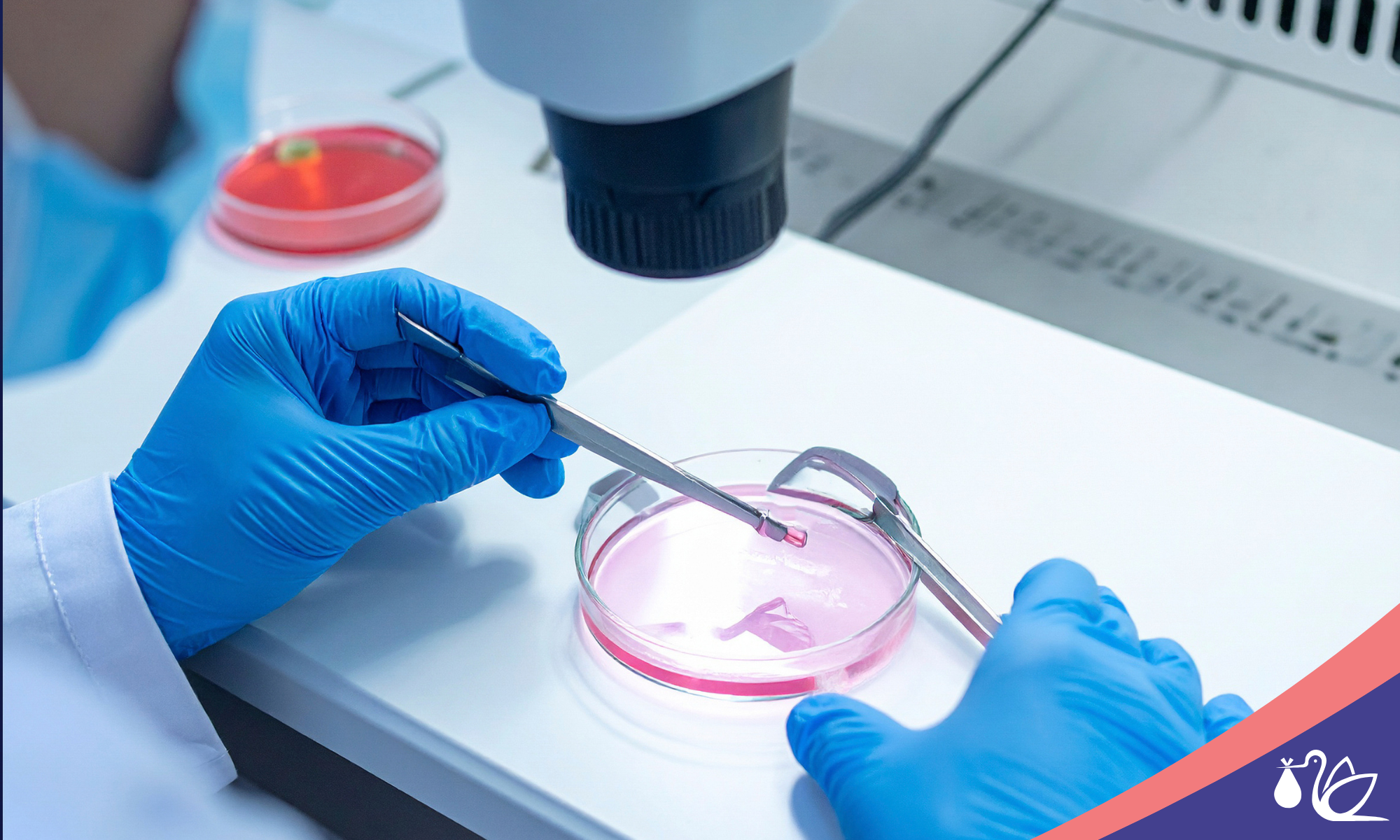
A frozen embryo transfer is the process of thawing one or more previously cryopreserved embryos and transferring them into the uterus. The embryo (or embryos) used were created during a prior egg retrieval cycle and vitrified, rapidly frozen, at the blastocyst stage for storage. When the patient is ready to attempt a transfer, the embryo is warmed and, if it survives the thaw successfully, transferred into the prepared uterine cavity.
Frozen embryo transfers have become the most common type of transfer in IVF, largely because they allow time for genetic testing of embryos, uterine recovery after a retrieval cycle, and flexible scheduling for patients.
FET Protocol Types: Medicated and Natural Cycle
Medicated (Artificial) FET Cycle
In a medicated FET cycle, the patient takes estrogen, typically estradiol tablets or patches, to build up the endometrial lining, followed by progesterone to prepare the lining for implantation. There is no ovulation, and the uterine environment is entirely controlled by the medications. The transfer timing is precisely scheduled relative to the start of progesterone.
Medicated cycles are the most common FET approach because they provide predictable control over the cycle and allow the transfer to be scheduled with precision. This is particularly important for patients undergoing PGT-A testing, since results must be received and the transfer can be scheduled at any convenient time.
Natural Cycle FET
In a natural cycle FET, the patient's own cycle is monitored. Ovulation is tracked using blood tests and ultrasound, and the transfer is timed relative to the patient's natural ovulation. This approach avoids the need for progesterone supplementation through the first trimester (since the corpus luteum produces natural progesterone after ovulation), and some patients prefer it because it involves fewer medications.
Natural cycle FET is most appropriate for patients with regular ovulatory cycles. It requires more intensive monitoring around ovulation and is somewhat less predictable in scheduling. The choice between medicated and natural cycle FET depends on the patient's cycle history, preferences, and clinical situation.
"The question I ask before any FET protocol decision is: what does this patient's body do naturally, and what protocol is most likely to create the most receptive endometrial environment for this specific embryo? That question looks different for every patient."
— Dr. Diana LeBlanc, a Fertility Specialist at Hanabusa IVF
Building the Endometrial Lining for Transfer
The endometrium must be adequately developed, typically at least 7 to 8mm by trilaminar (three-layer) appearance on ultrasound, before progesterone is started. Estrogen is used in medicated cycles to stimulate this growth, and the lining is monitored with transvaginal ultrasound and estradiol blood tests during the estrogen phase.
If the lining does not reach an adequate thickness or fails to develop the expected trilaminar appearance, the cycle may be extended, or the transfer may be postponed. This is not a failure; it is the monitoring process identifying that the timing is not optimal, which is precisely what the monitoring is for.
Progesterone Start and Transfer Timing
Once the endometrium is ready, progesterone is started. The transfer date is calculated based on the day progesterone begins, typically occurring five to six days after the first progesterone dose in a blastocyst transfer cycle, reflecting the developmental stage of the embryo.
Progesterone can be administered as vaginal suppositories, intramuscular injections, or a combination of both. The route and dose are determined by the patient's protocol. Some patients respond better to one route than another, and the clinical team at Hanabusa IVF makes this determination individually.
What Affects FET Success Rates?
The primary factor in FET success is the chromosomal status of the embryo. Euploid (chromosomally normal) embryos transferred after PGT-A testing have significantly higher implantation rates than untested embryos, particularly for older patients. For younger patients with a good prognosis, untested embryos also have meaningful success rates.
Beyond the embryo, endometrial preparation quality, progesterone adequacy, uterine anatomy, and the absence of implantation-disrupting factors all contribute. At Hanabusa IVF, FET preparation is monitored carefully throughout to confirm that all of these elements are in place before the transfer occurs.
"Frozen embryo transfer success is not a coin flip. There are things we can optimize, the protocol, the lining preparation, the timing, and things we cannot control, like the fundamental biology of the embryo. Getting the controllable factors right gives every transfer the best possible chance."
— Dr. Lyndon Chang, Medical Director at Hanabusa IVF
How Many Embryos to Transfer?
The question of how many embryos to transfer is an important one, and it is not simply a question of how many are available. Transferring multiple embryos increases the risk of multiple pregnancy, twins, triplets, which carries significant obstetrical risks for both the mother and the babies. Modern IVF practice strongly favors single embryo transfer, particularly when chromosomally tested embryos are available, because success rates per transfer are high and the risks of multiples are real.
At Hanabusa IVF, the embryo transfer decision is made in consultation with each patient based on age, embryo quality, number of available embryos, chromosomal testing results, and individual clinical considerations.
Frequently Asked Questions
How long does an FET cycle take?
A medicated FET cycle typically takes three to five weeks from the start of estrogen to the transfer date. Natural cycle FET depends on cycle timing and is generally scheduled over two to three weeks of monitoring after the period begins.
What is the success rate of a frozen embryo transfer?
Success rates vary significantly by age and embryo quality. For euploid (PGT-A tested chromosomally normal) embryos, implantation rates per transfer are substantially higher than for untested embryos, often ranging from 50 to 70% per transfer in many published series, though individual outcomes vary. Your specific situation should be discussed with your physician at Hanabusa IVF.
Is bed rest necessary after an FET?
No. Evidence does not support bed rest after embryo transfer. Normal daily activities are appropriate. Most physicians recommend avoiding strenuous exercise and hot tubs for the first few days after transfer, but prolonged bed rest is not beneficial and not recommended.
Can a frozen embryo survive the thaw?
With modern vitrification techniques, the great majority of frozen embryos survive the thaw; survival rates of 90% or higher are typical at experienced centers with good vitrification protocols. Hanabusa IVF has more than a decade of vitrification expertise and maintains CAP-accredited laboratory standards.
What happens if my lining does not develop before the transfer?
If the endometrium does not reach adequate thickness or development during the preparation phase, the transfer may be postponed and the protocol adjusted. This is a monitoring success, not a cycle failure; it prevents transfer in an environment unlikely to support implantation.
Every Transfer Is Approached Individually
A frozen embryo transfer is a significant step in the IVF process, and at Hanabusa IVF, every aspect of the preparation, from protocol selection to lining monitoring to progesterone management, is handled with the same individualized attention that defines the clinic's broader approach to care.
If you have frozen embryos and are preparing for a transfer, or are considering IVF and want to understand how the full process works, a consultation at Hanabusa IVF is the right starting point.