If you are in the middle of an IVF cycle, your calendar may suddenly feel full of early-morning appointments. Ultrasound, blood draw, a phone call that afternoon with new instructions, then back again in a day or two. It is completely normal to wonder why you need to be seen so often, or to feel a flicker of worry every time your medication dose changes.
Those visits are not a sign that something is wrong. They are how your care team keeps your cycle safe and on track. Each appointment gives your team real-time information about how your body is responding, so your plan can be adjusted exactly when it needs to be.
This guide explains what follicle monitoring involves, why medication changes are a normal part of an individualized protocol, and how to think about the question so many patients ask: how many follicles is good for IVF?
Why Monitoring Happens So Often During Stimulation
During the stimulation phase, medications (or your natural cycle, in some gentler approaches) encourage follicles in your ovaries to grow. Each follicle is a small fluid-filled sac that may contain an egg. These follicles change quickly, sometimes growing a millimeter or two each day.
Frequent monitoring lets your care team:
- Track how many follicles are developing and how fast they are growing
- Check hormone levels to understand how your ovaries are responding
- Adjust medication doses so stimulation is neither too strong nor too weak
- Watch for early signs of overstimulation and lower that risk
- Time the trigger shot and egg retrieval so eggs are collected at the right stage of maturity
At Hanabusa IVF, monitoring frequency is tailored to your response rather than set by a fixed calendar for everyone. Some patients need closer watching at certain points in the cycle, while others follow a steadier pattern. This is one of the clearest ways our \"One Size Doesn't Fit All\" philosophy shows up in day-to-day care.
What Happens at a Monitoring Appointment
Most monitoring visits are short, often taking well under an hour, and they usually happen in the morning so results can be reviewed the same day.
Transvaginal ultrasound. Your provider uses a slim ultrasound probe to view your ovaries. Follicles are counted and measured, and the thickness of your uterine lining is checked. The process is generally quick and similar to a routine pelvic ultrasound.
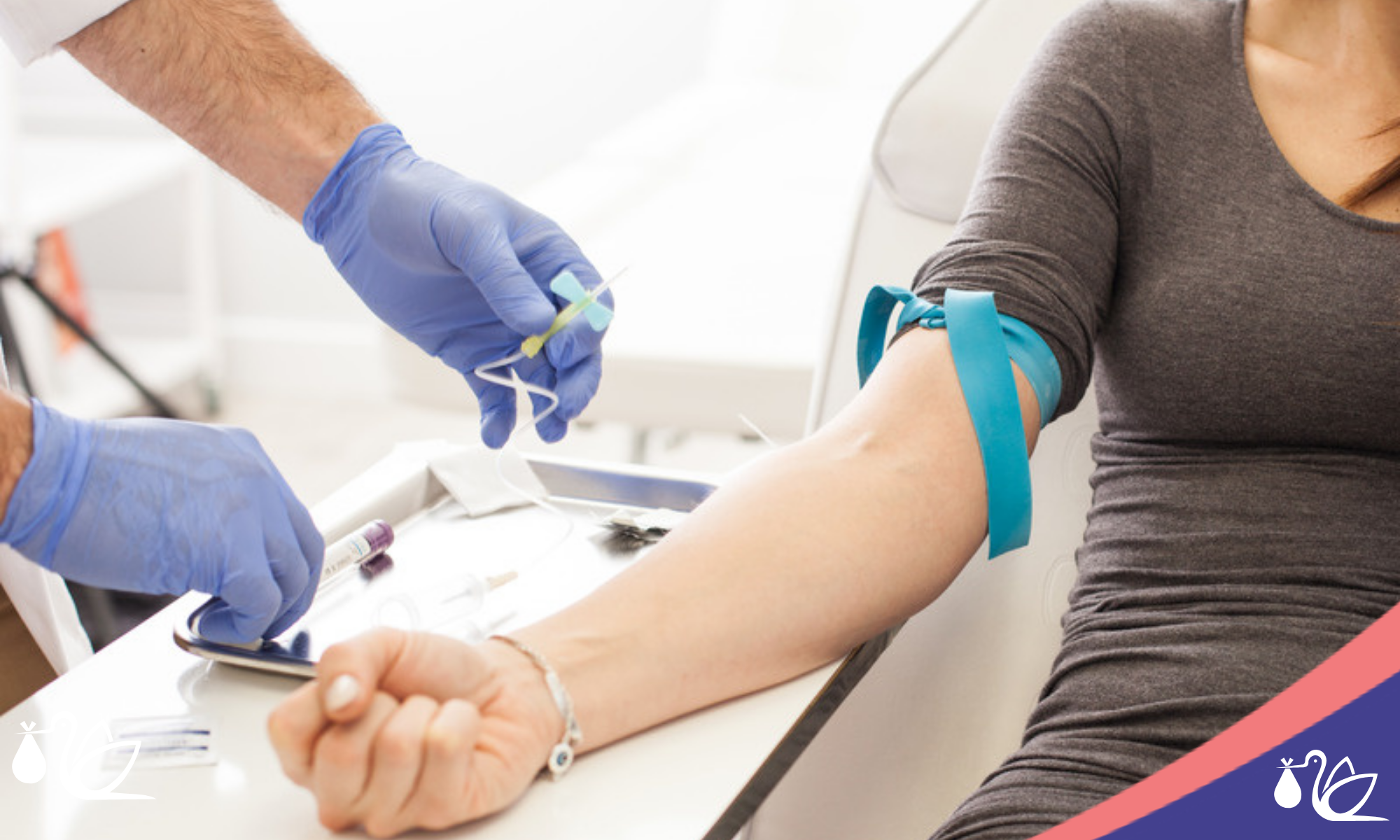
Bloodwork. A blood draw checks hormone levels, most commonly estradiol, and sometimes LH and progesterone. Estradiol rises as follicles develop, so it helps confirm what the ultrasound shows. For a closer look at what each hormone tells your team, read our guide to IVF blood work and estradiol, LH, and progesterone levels.
Your instructions. Later that day, a nurse typically contacts you with updates: whether to continue the same doses, change them, add a medication, or come back on a particular day.
A few tips can make these visits easier. Wear comfortable clothing, stay hydrated before your blood draw, and keep your phone nearby in the afternoon so you do not miss your instructions. Many patients keep a simple notebook or phone note with each day's doses, which makes it easy to double-check what to do that evening.
Your first monitoring visit often happens a few days after stimulation begins, with additional visits every one to three days as follicles grow. Your own schedule may look different, and that is expected.
How Medication Adjustments Are Made
One of the most anxiety-provoking parts of stimulation can be a phone call that says, \"We are changing your dose.\" It may feel like a warning sign. In reality, adjustments are a sign that your care team is paying close attention.
Doses may be:
- Increased if follicles are growing more slowly than expected
- Decreased if your response is strong and the team wants to protect your safety and egg quality
- Held steady if everything is progressing as planned
- Supplemented with a medication that prevents premature ovulation once follicles reach a certain size
This reflects a core belief at Hanabusa IVF: more medication is not automatically better. Pushing the ovaries harder does not always produce better eggs, and for some patients a lighter touch supports quality and comfort. That is part of why we offer approaches ranging from mini IVF to conventional stimulation.
If you want to understand what each drug in your protocol does, our IVF medication guide explains the main categories in plain language.
What Results Mean (and What They Don't)
So, how many follicles is good for IVF? It is a natural question, and many patients search for a single number to compare themselves against. The honest answer is that there is no one magic number that applies to everyone.
What counts as a good response depends on:
- Your protocol. A conventional stimulation cycle usually aims for more follicles than a mini IVF or natural cycle approach, which intentionally targets fewer.
- Your ovarian reserve. Your AMH and antral follicle count help your team estimate what a realistic response looks like for you.
- Your age and history. Previous cycles, diagnoses such as PCOS or diminished ovarian reserve, and other factors all shape expectations.
- Your goals. Banking embryos for the future, planning genetic testing, or aiming for a single transfer may each lead to different targets.
It is also important to remember that not every follicle contains a mature egg, and egg quality matters as much as quantity. A cycle with fewer follicles can still lead to healthy embryos, and a cycle with many follicles does not guarantee success.
If your results prompt a change, your team may adjust doses, extend stimulation by a day or two, change the timing of your trigger, or in some cases discuss pausing and trying a different approach next time. When a response is very strong, your team may take extra steps to lower the risk of ovarian hyperstimulation syndrome. You can read more about this in our article on avoiding OHSS with gentle stimulation protocols.
Rather than comparing your numbers to someone else's, ask your care team what a healthy response looks like for your specific plan.
Physician Connection
Both Dr. Chang and Dr. LeBlanc personally review monitoring results.
\"I always tell my patients to call with any question, even a small one. When you understand why your plan is changing, the whole process feels less stressful.\" - Dr. Diana LeBlanc, a Fertility Specialist at Hanabusa IVF
Patients on individualized or lower-stimulation protocols, including those with diminished ovarian reserve or a history of poor response elsewhere, often work with Dr. Lyndon Chang. These cycles can require especially careful, day-by-day adjustments, and his experience with complex cases shapes how each decision is made.
Behind every result is a broader team as well. Our nurses review your instructions with you, and our embryology team prepares for the eggs your follicles will produce. That coordination is a big part of why monitoring decisions feel thoughtful rather than rushed.
What to Expect Next
As follicles approach maturity, your care team will decide when to give the trigger shot. This injection helps eggs complete their final stage of development, and its timing is precise because egg retrieval is scheduled a set number of hours afterward.
Once the trigger is given, monitoring usually ends and your focus shifts to retrieval day. Our IVF injection schedule day by day guide shows where monitoring and the trigger fit into the overall sequence, and our overview of the IVF timeline and pre-cycle preparation explains the full journey from testing to transfer.
Frequently Asked Questions
How many follicles is 'good' during an IVF cycle?
There is no single number that is right for everyone. A good response depends on your protocol, ovarian reserve, age, history, and goals. Mini IVF and natural cycle approaches intentionally aim for fewer follicles than conventional stimulation, so ask your care team what a healthy response looks like for your plan.
Why do I need so many monitoring appointments during my IVF cycle?
Follicles grow quickly, and frequent monitoring lets your team adjust medications, protect your safety, and time your trigger shot precisely. At Hanabusa IVF, monitoring frequency is tailored to how your body responds rather than a fixed schedule for everyone.
What is being checked during a follicle monitoring appointment?
A transvaginal ultrasound measures your follicles and uterine lining, and a blood test checks hormone levels such as estradiol. Together, these show how your ovaries are responding. Your nurse will usually call later that day with updated instructions.
Will my medication dose change during stimulation?
It might, and that is normal. Doses may go up, down, or stay the same depending on your response. Adjustments mean your care team is tailoring your protocol in real time.
What if my follicles aren't growing as expected?
Your team may adjust your medication, extend stimulation, or change the timing of your trigger. If the response remains limited, your physician will talk with you about options, which may include a different approach in a future cycle. Hanabusa IVF has extensive experience helping patients with low or unexpected responses.
How will I know when it's time for my trigger shot?
Your care team decides based on follicle size and hormone levels from your monitoring visits. You will receive exact instructions on when to give the trigger, often down to the specific time. Retrieval is then scheduled a set number of hours later.
Have Questions About Your Monitoring Schedule?
Frequent monitoring can feel intense, but every visit has a purpose. It allows your care team to adjust your protocol thoughtfully, protect your safety, and time your retrieval well. Understanding how many follicles is good for IVF in your own situation, rather than in general, can bring real peace of mind.
At Hanabusa IVF, your stimulation plan is designed around your body and adjusted as your body responds. Have questions about your monitoring schedule? Schedule a consultation with our care team to discuss your individualized protocol.
See all supporting studies and references used to produce our content: CLICK HERE